Community Voices Guiding Bonus Refinements in Niche Bingo Environments
Written by Yves Keller · Oct 8, 2026
Community Voices Guiding Bonus Refinements in Niche Bingo Environments
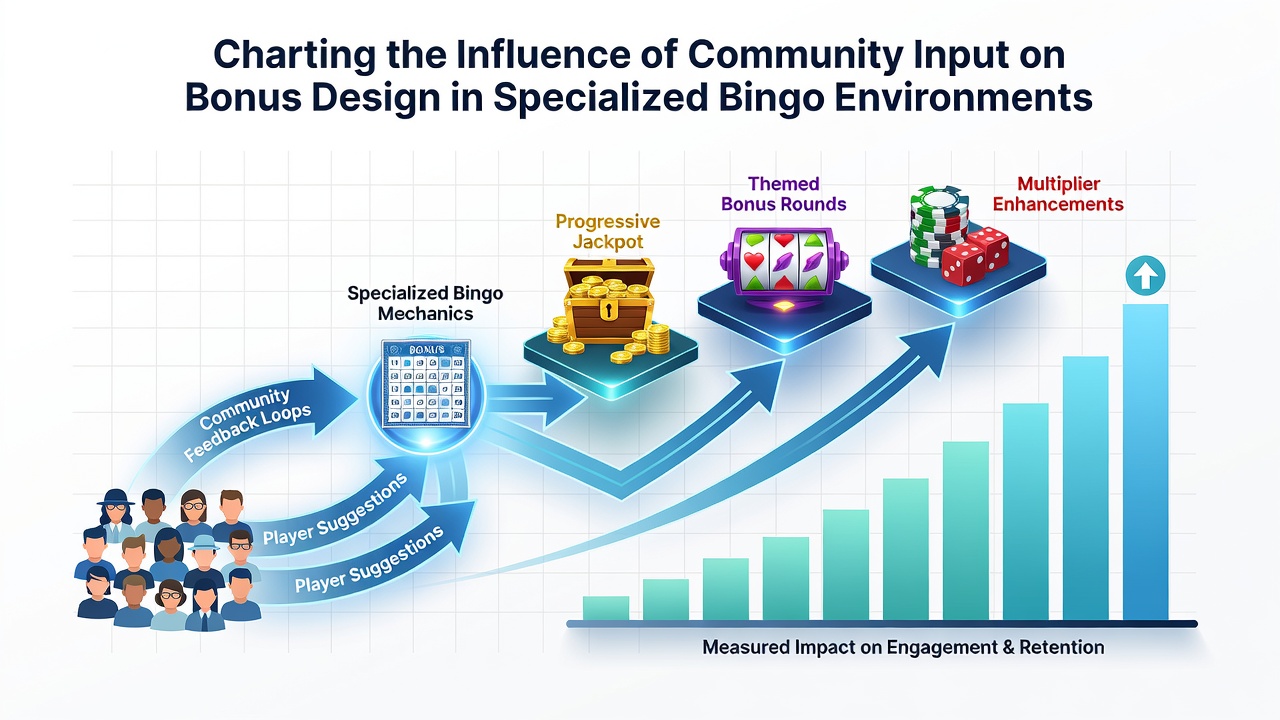
Specialized bingo environments have incorporated community input into bonus design through structured feedback systems that track player suggestions across digital platforms, and these mechanisms allow developers to adjust reward triggers based on aggregated data from user forums and in-app surveys. Research from the International Gaming Institute at the University of Nevada Las Vegas indicates that platforms in members-only networks began prioritizing such input streams after 2024, with updates rolling out steadily through October 2026 as participation metrics climbed.
Data Collection Approaches in Targeted Bingo Networks
Operators gather input via multiple channels including dedicated suggestion portals, live chat transcripts, and periodic polls that focus on bonus activation thresholds, and analysts compile these responses into datasets that reveal preferences for tiered rewards or themed multipliers. Studies conducted by the Australian Institute for Gambling Research show that 62 percent of niche platform adjustments in 2025 stemmed directly from patterns identified in player-submitted comments rather than internal testing alone.
Platforms sort contributions by frequency and impact potential, which enables teams to prototype changes such as revised deposit match formulas or extended play windows, while cross-referencing occurs against retention statistics to confirm viability before full deployment. Observers note that this process reduces guesswork because suggestions often highlight friction points in current bonus flows that quantitative metrics alone might overlook.
Algorithm Adjustments Driven by User Patterns
Bonus activation algorithms receive refinements when community data highlights recurring requests for personalized triggers, and developers integrate these signals through iterative coding cycles that test new parameters against historical play logs. One documented case involved a specialized room shifting from fixed jackpot qualifiers to dynamic ones calibrated by group consensus on minimum session lengths, resulting in measurable upticks in session completion rates according to platform telemetry.
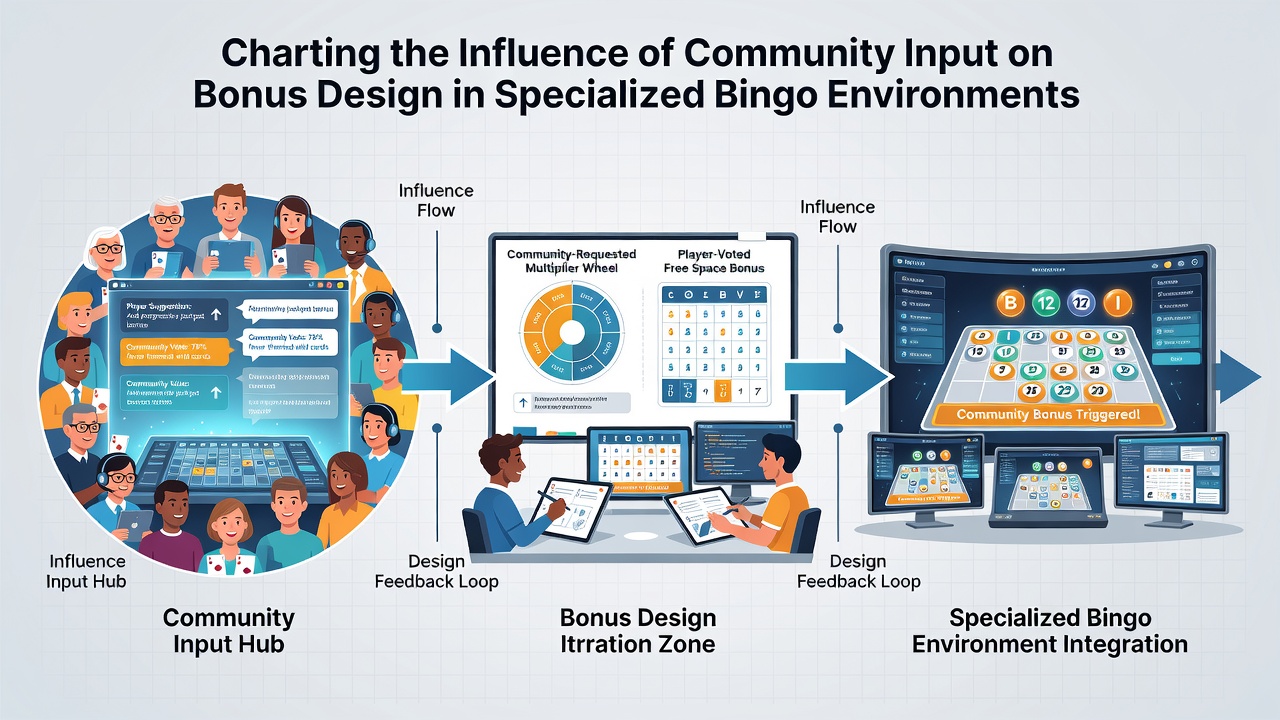
Integration happens through modular code structures that permit rapid swaps of reward conditions without full system overhauls, and validation draws from A/B testing groups drawn from the same user pools that supplied the original input. Figures from the Malta Gaming Authority annual review released in October 2026 confirm that operators employing such community-linked revisions reported 18 percent higher engagement scores compared with those relying solely on proprietary models.
Examples of Implemented Changes Across Niche Platforms
Take the evolution seen in several themed bingo environments where players requested bonuses tied to specific number patterns rather than random draws, and subsequent updates introduced selectable multipliers that activate upon community-voted combinations. Data shows these alterations increased repeat visits because participants felt ownership over the reward mechanics they had helped shape.
Another instance involved a members-only network that modified no-deposit bonus eligibility after repeated feedback about overly restrictive verification steps, and the revised criteria now incorporate accumulated play history alongside initial sign-up details. Those adjustments aligned with broader trends tracked by the Canadian Gaming Association, which documented similar shifts across regional operators during the same period.
Challenges in Balancing Input Volume with Technical Constraints
High volumes of suggestions can overwhelm processing pipelines when platforms lack automated categorization tools, and developers address this through natural language processing filters that group related comments before human review occurs. Yet scaling remains an issue because niche environments often operate with smaller engineering teams that must prioritize among competing requests while maintaining compliance with regional licensing rules.
Coordination between community managers and technical staff ensures that popular ideas undergo feasibility assessments early, and this step prevents resource allocation toward features that conflict with core game mathematics or regulatory caps on prize distributions. Evidence suggests successful implementations occur when feedback loops close quickly enough for players to see their contributions reflected in subsequent updates.
Conclusion
Community input continues to shape bonus design in specialized bingo settings through systematic collection, algorithmic integration, and iterative testing that responds to documented player patterns, and ongoing data from multiple regulatory and research bodies supports the effectiveness of these approaches in sustaining engagement across niche networks. Platforms that maintain transparent channels for suggestions position themselves to adapt reward structures as participant preferences evolve.